

Product Categories
Product Categories
MESSAGE
If you have any questions, please contact us and we will contact you as soon as possible.
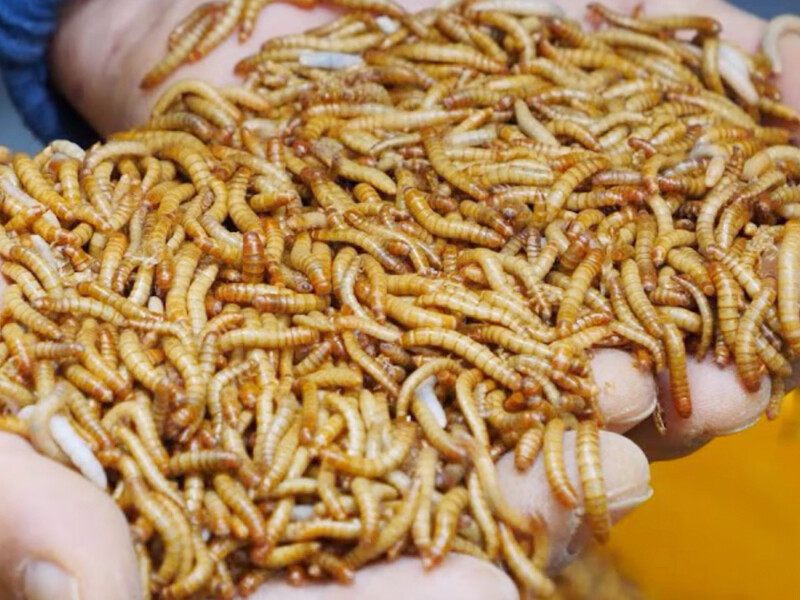
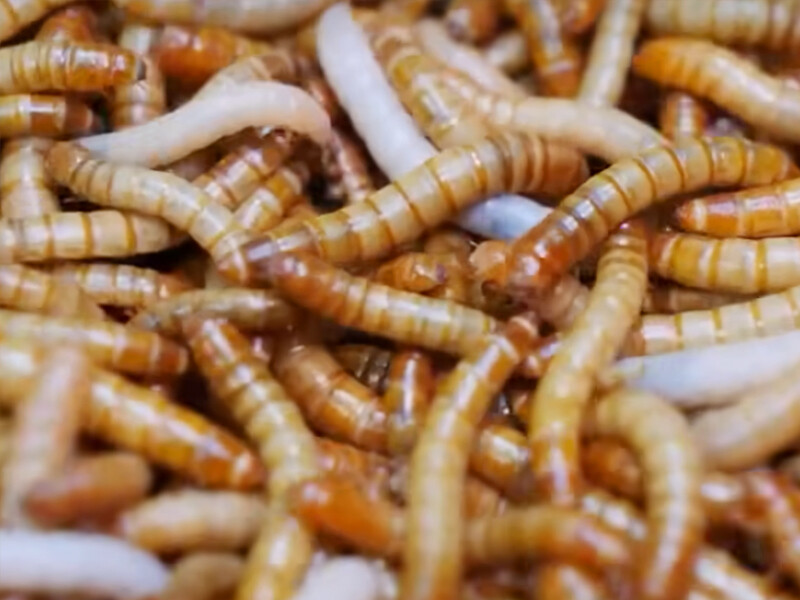
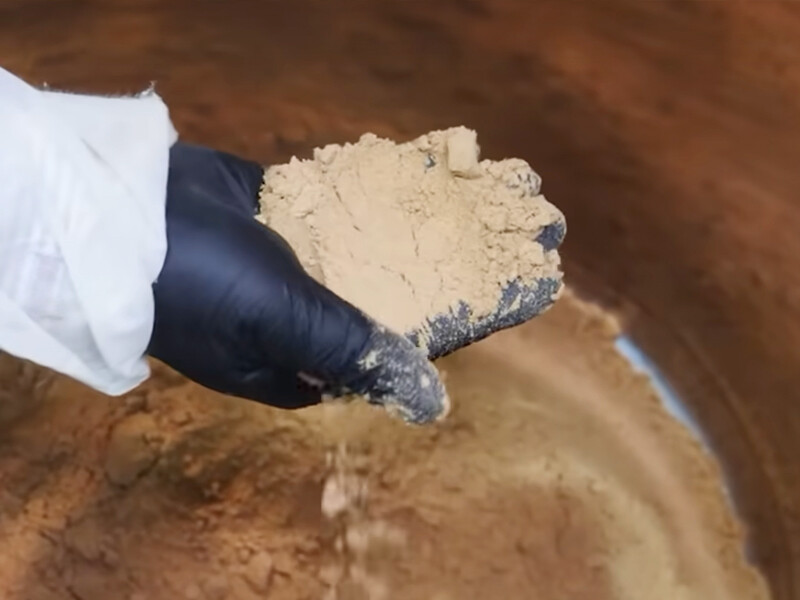
Yellow Mealworm Exuviae
◉ Product Details
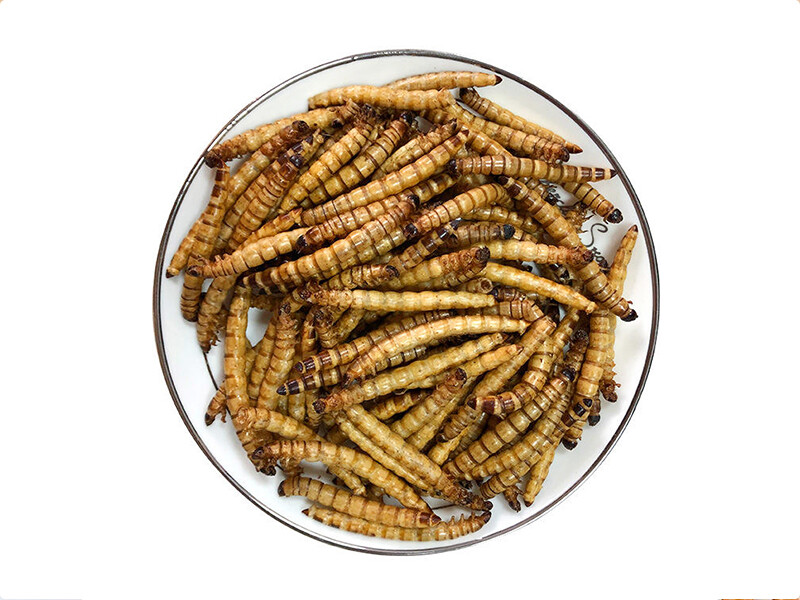
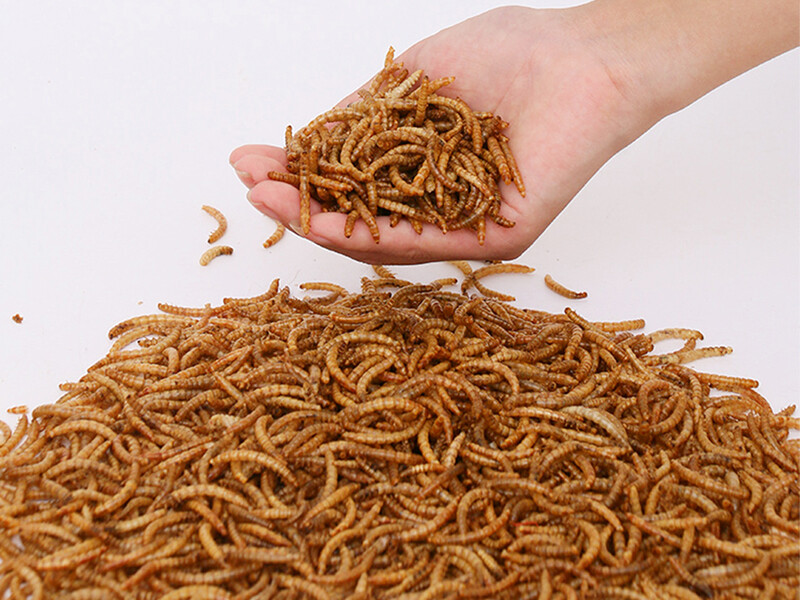
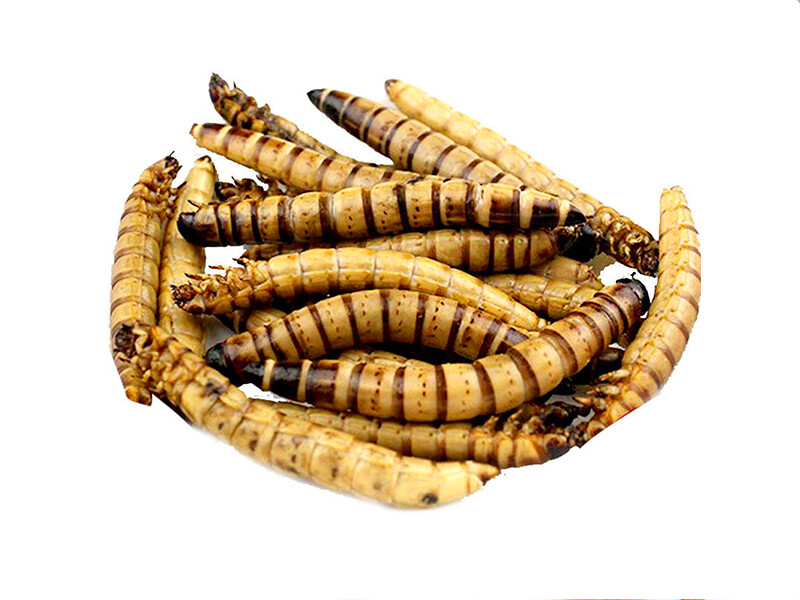
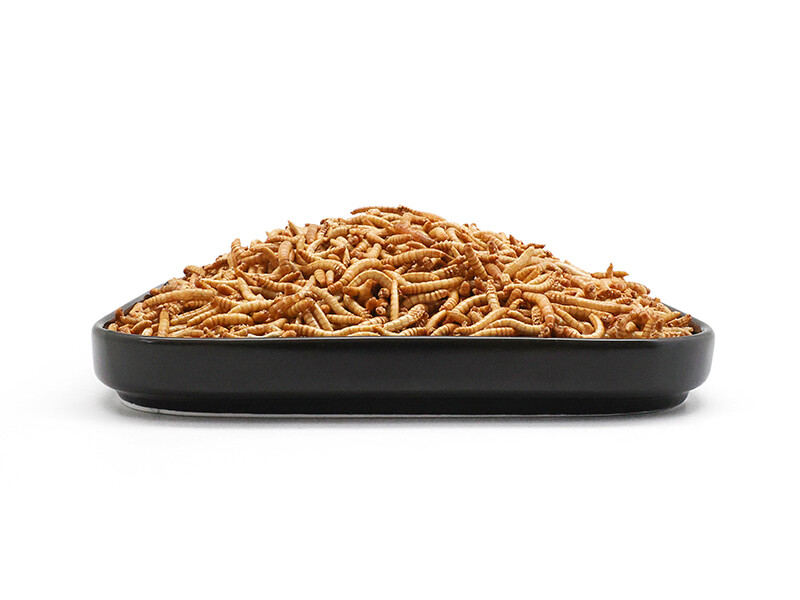
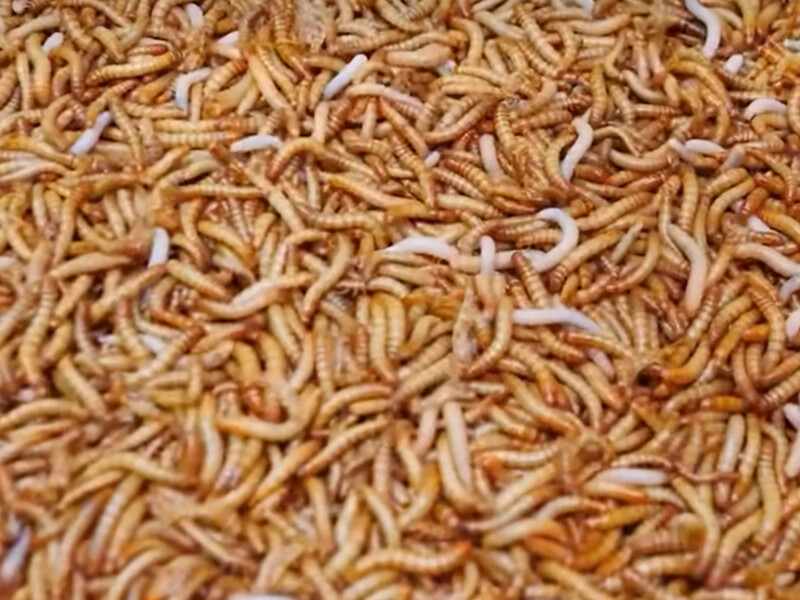
The yellow mealworm, commonly known as the "breadworm" or "yellow flour beetle", belongs to the genus Tenebrio in the family Tenebrionidae, order Coleoptera, class Insecta. Native to North America, it has a history of nearly 100 years of artificial cultivation in China. As a holometabolous insect, its life cycle goes through four stages: egg, larva, pupa, and adult. The larval stage lasts approximately 120 days, during which it naturally molts 9 to 12 times. The exoskeleton shed during molting serves as the raw material for yellow mealworm exuviae products.
This raw material is derived from the natural growth process of yellow mealworms, with no artificial chemical additives, thus retaining the unique natural components of insect exoskeletons. Yellow mealworms themselves have strong vitality and high adaptability to the natural environment. In the artificial cultivation process, their natural living habits are also followed, which further ensures the natural and pure properties of the exuviae products.
Natural Efficacy Advantages in Multiple Fields
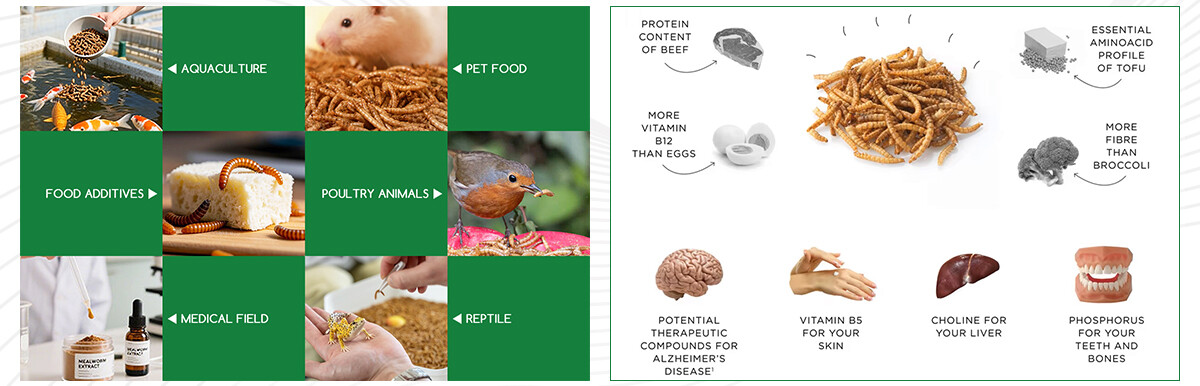
- For poultry, the supplemented amino acids can improve the nutritional structure of feed, promote the rapid feather development of young poultry, and increase the egg production rate of adult poultry (studies have shown that the egg production rate of laying poultry can be increased by 20% after consuming related insect raw materials). Additionally, B vitamins can improve skin health and make feathers more shiny.
- For pets (such as ornamental birds, reptiles, and ornamental fish), chitin can enhance immunity and reduce the occurrence of diseases. Trace elements can supplement the nutrients that are easily lacking in daily diets. Combined with its natural palatability, it becomes an ideal nutritional supplement for the healthy growth of pets.
- Functional Raw Material Value: Its core component, chitin (chitin), can be processed into chitosan, which has bioactivities such as antibacterial, immune regulation, and promoting wound healing. It is widely used in fields such as medical dressings, cosmetic moisturizers, and food thickeners, injecting natural functional properties into related products.
- Sustainable Nutrition Potential: Yellow mealworm itself has been recognized by the European Union as a sustainable protein source. Although its exuviae is mainly composed of chitin, its degradation products contain amino acids needed by the human body, and the carbon emission during the production process is much lower than that of traditional livestock and poultry products. With the development of "invisible insect protein" technology, it is expected to become a new type of sustainable raw material supplement in the human healthy diet system in the future.
- Safety Guarantee: Referring to the safety standards of yellow mealworm larva powder, yellow mealworm exuviae treated by physical methods such as ultraviolet radiation can eliminate potential microbial risks and meet the safety requirements of human-related products.
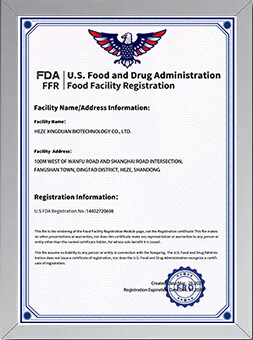
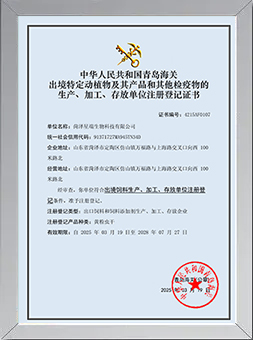
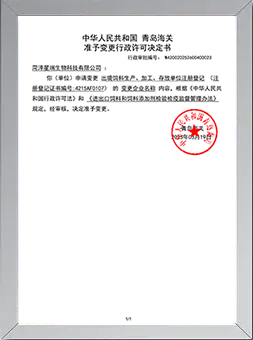
◉ Qualification Certificate
◉ Application
◉ Breeding and processing process
Breeding Facilities & Environmental Control
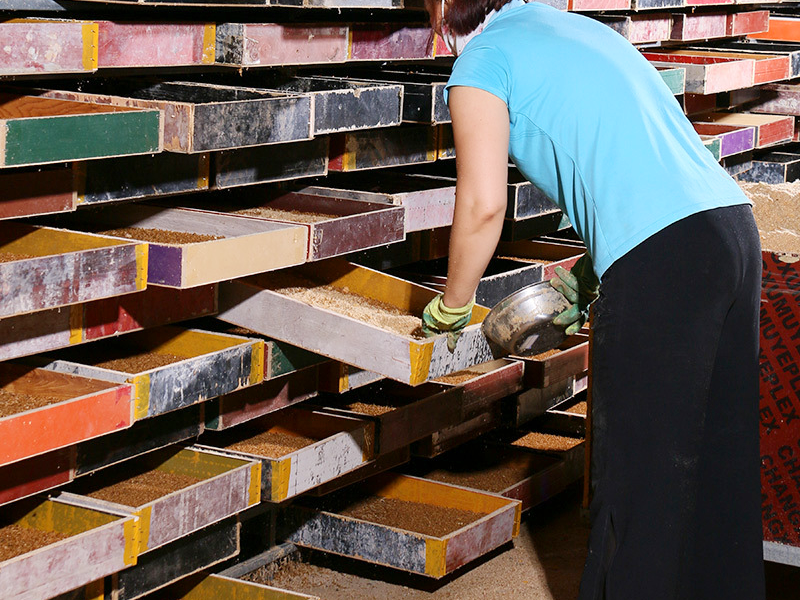
Use plastic basins/wooden boxes for small-scale, and stacked boxes or cement pools (with glass strips to prevent escape) for large-scale. A dark environment with a temperature of 25-29°C and a humidity of 60-70% is required.
Feeding management and life cycle
The main food is bran, supplemented with fruits and vegetables for water. The cycle of egg → larva → pupa → adult is completed in 80 days. It needs to be raised in stages to prevent cannibalism.
Multi-directional processing
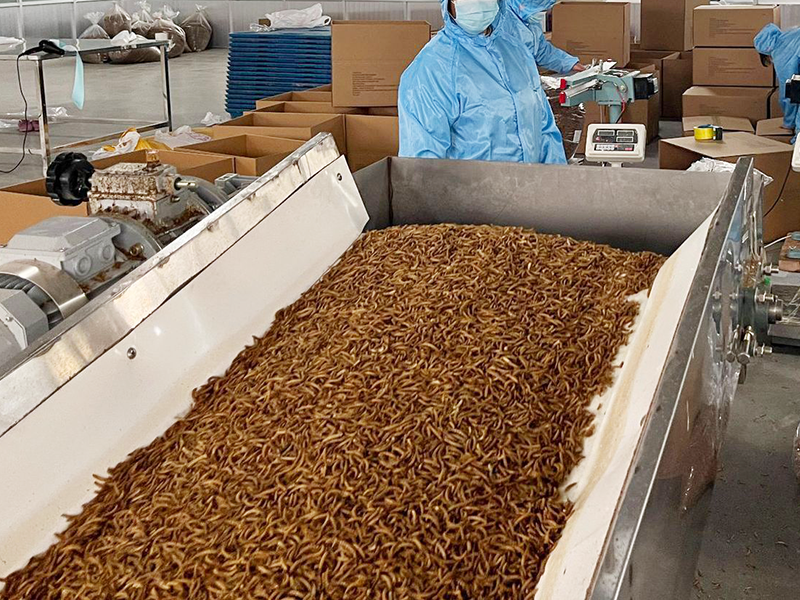
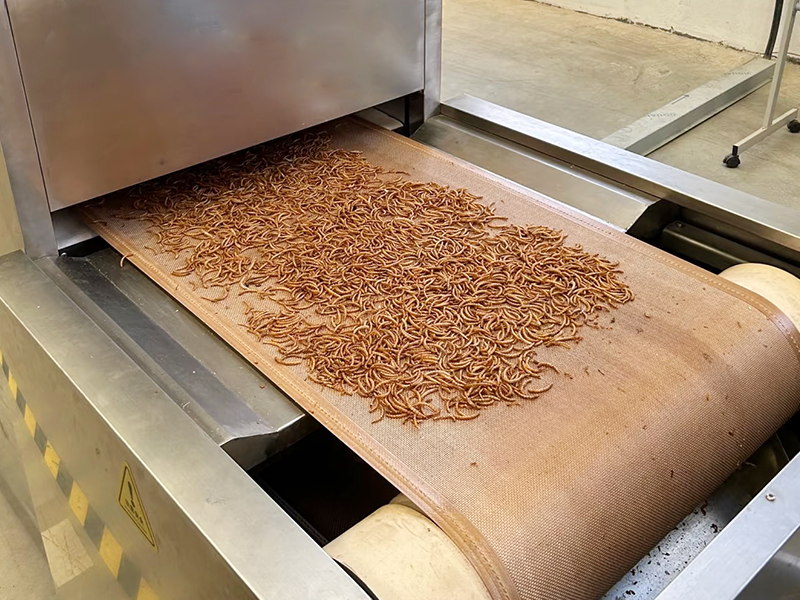
Live insects are used as poultry aquatic feed, and dried products are ground into powder; oil and protein peptides can be extracted, insect feces can be used as fertilizer, and chitin can be extracted from the exoskeleton.
Industrial advantages and ecological value
The staple food is bran (70-80%), with fruits and vegetables added for moisture. The egg → larva → pupa → adult cycle is completed in 80 days. They need to be raised in stages to prevent cannibalism.
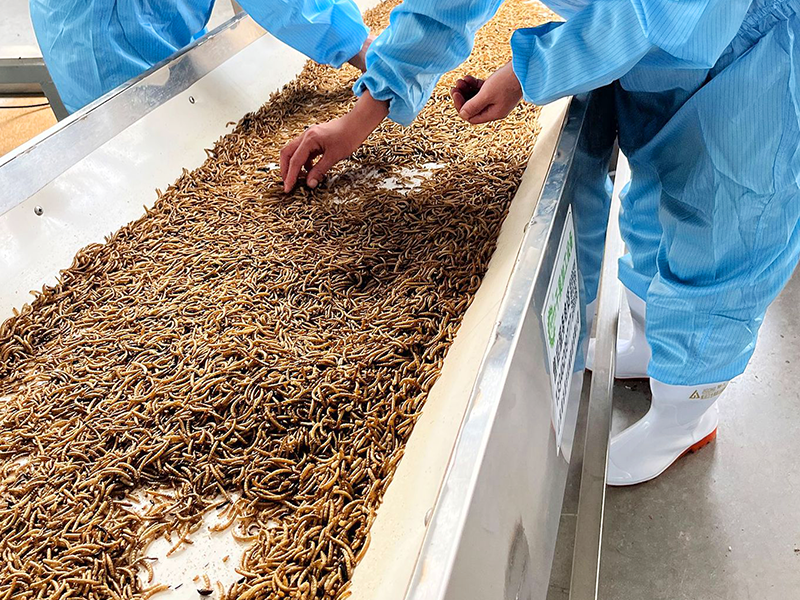
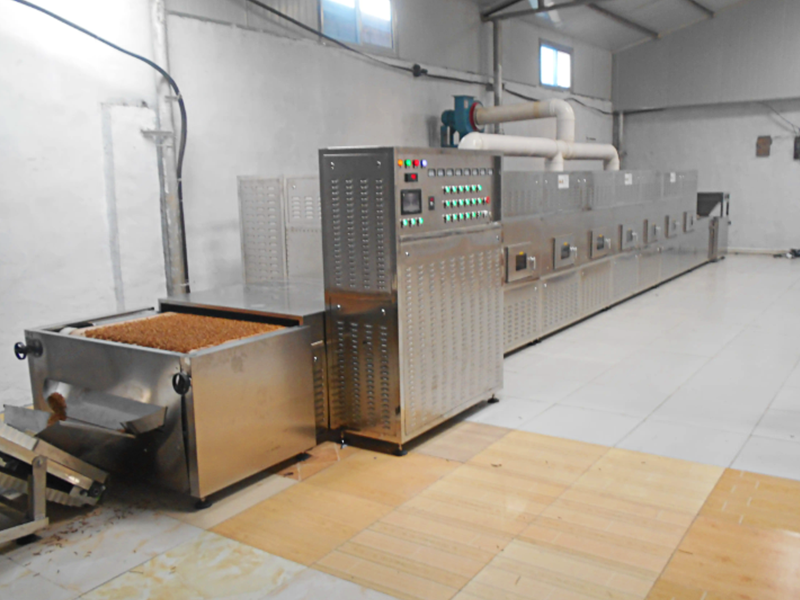
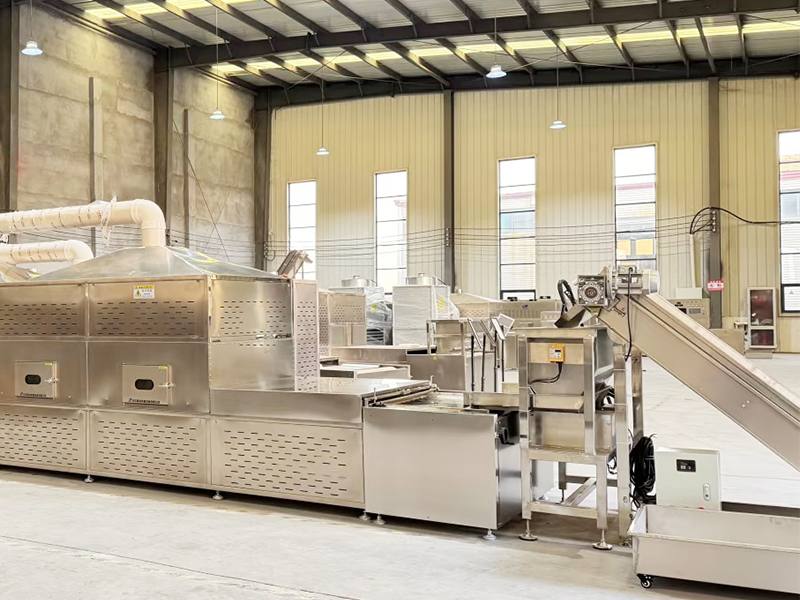
◉ Factory Display
◉ Contact Us
◉ Product Recommendation
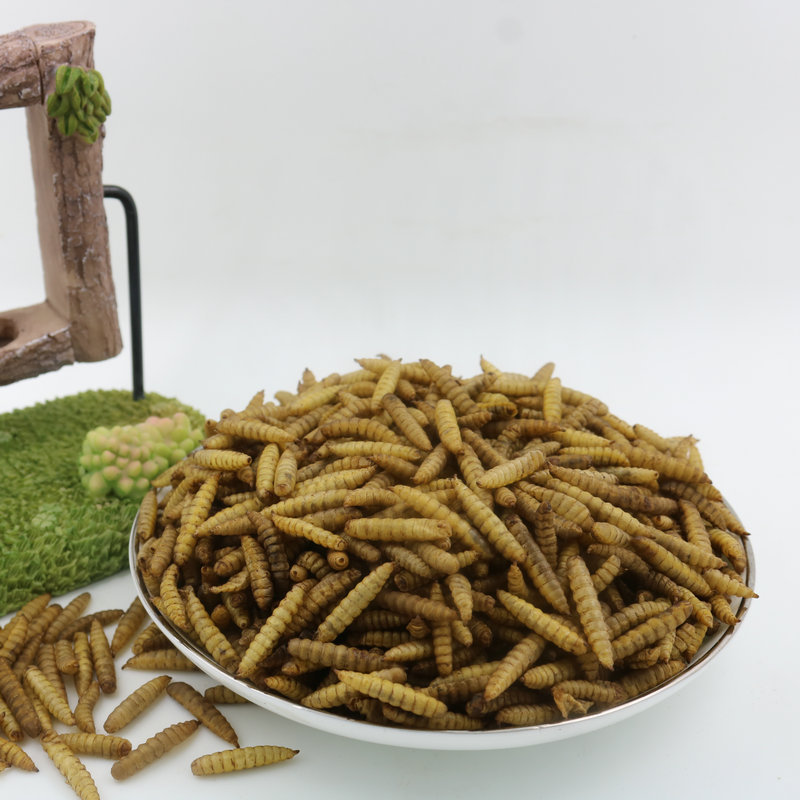
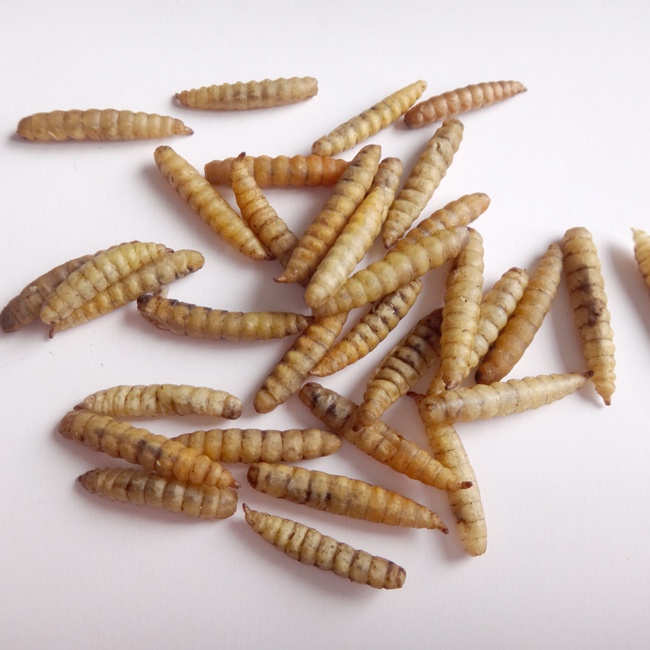
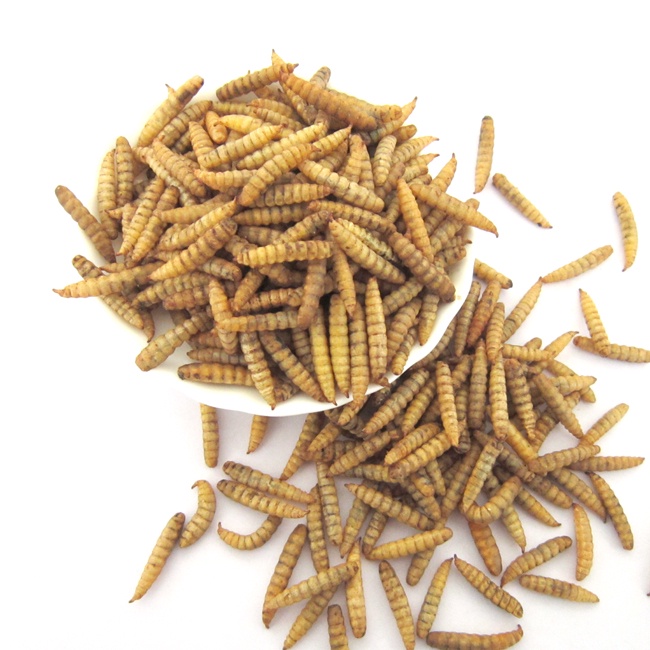
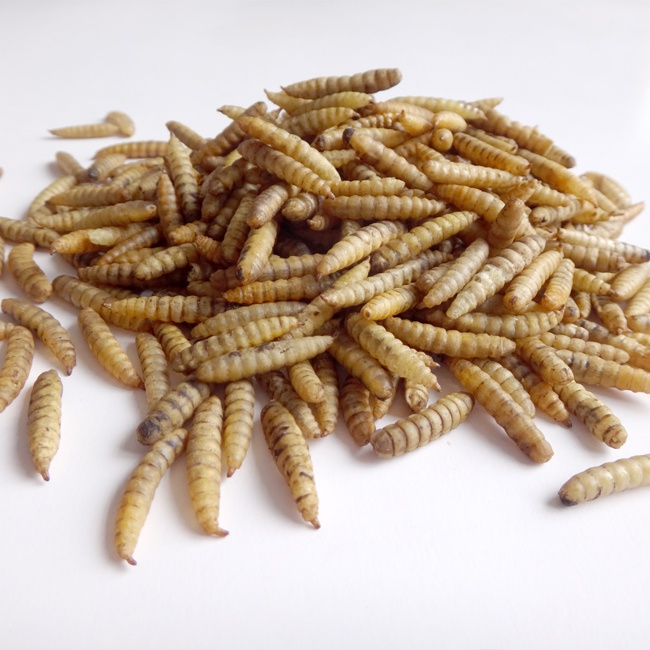
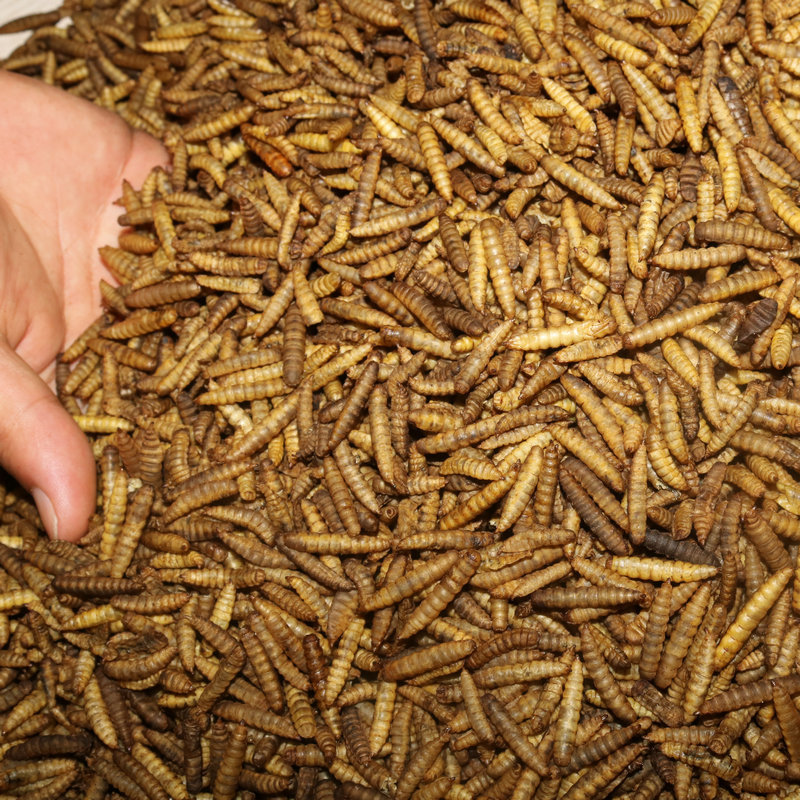
 Dried Black Soldier Fly Larvae
 High Protein Black Soldier Fly Larvae
 Microwave Dried Black Soldier Fly Larvae
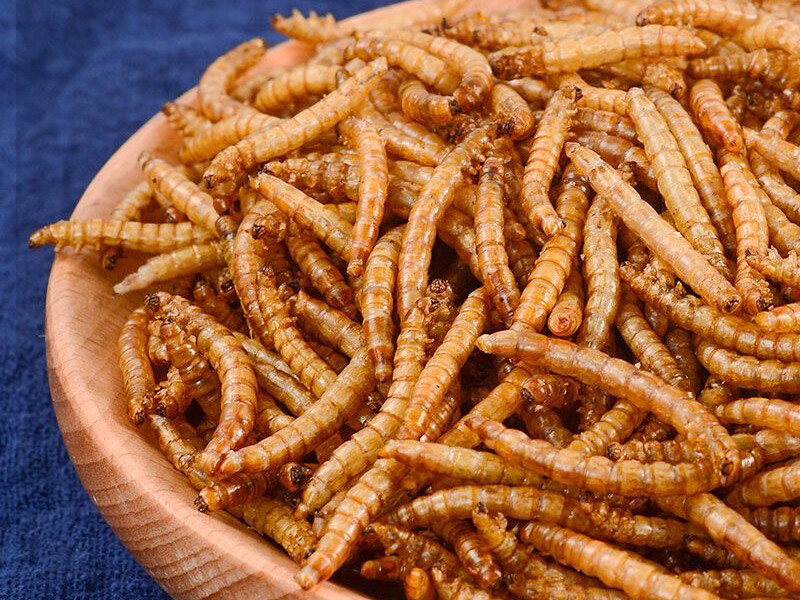
 Dried Yellow Mealworm
 Tenebrio molitor
 Mealworm Protein Powder
 Yellow Mealworm Powder
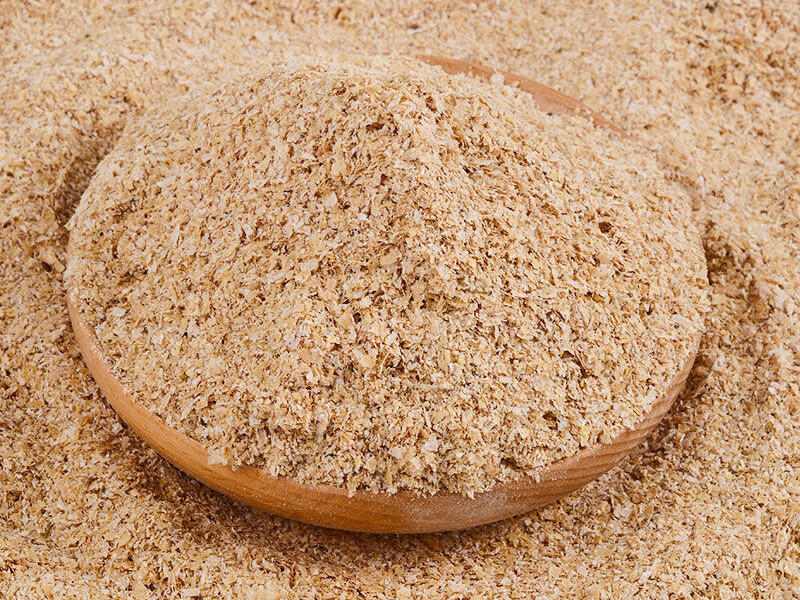
 Wheat Bran
 Yellow Mealworm Exuviae
 Soybean Meal
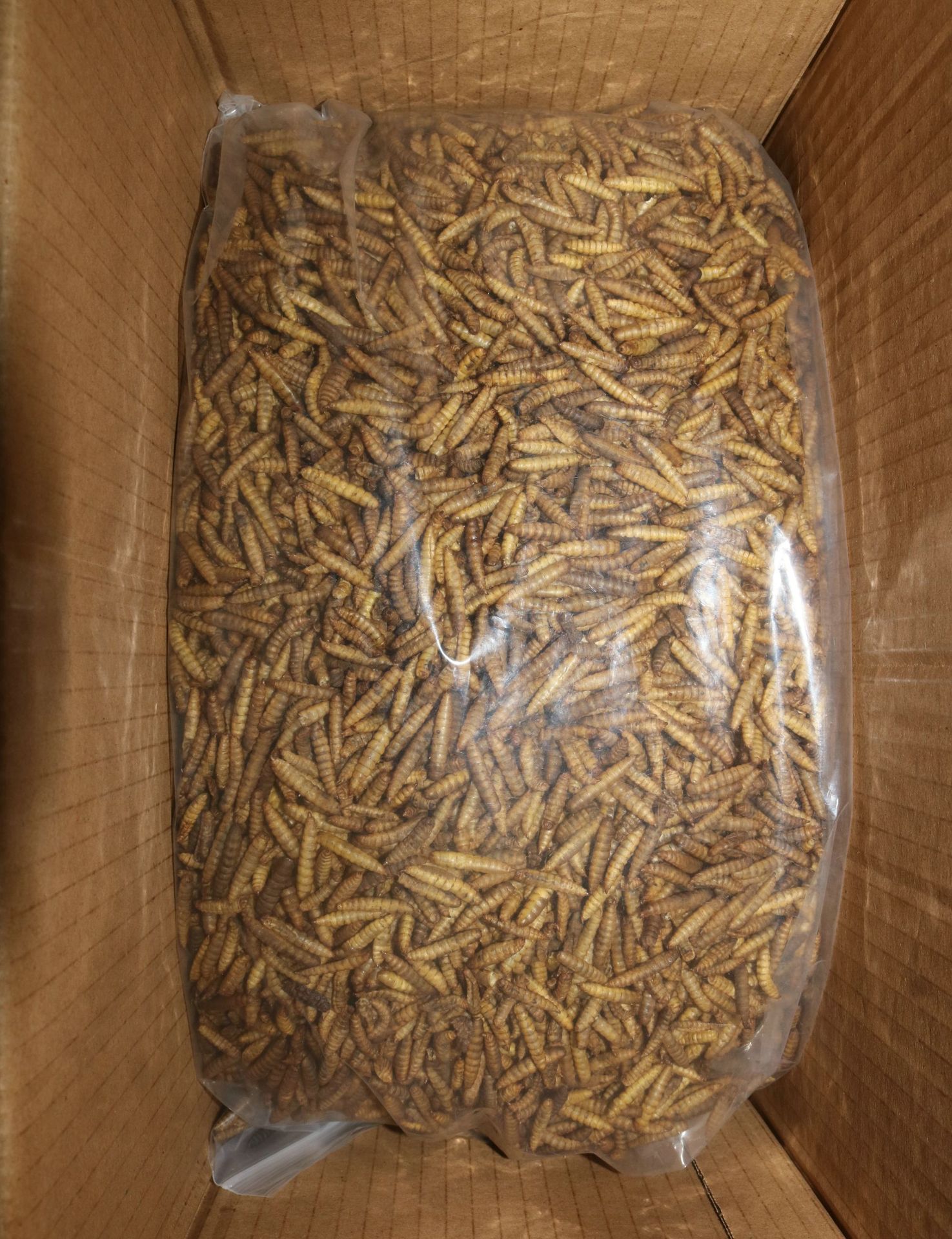
 BSF Larvae Bulk
 Black Soldier Fly Larvae for Feed
 Organic BSF Larvae Feed
 High Protein Dried Yellow Mealworm for Pet Food
 Dried Mealworms for Wild Birds/Fish/Pets/Chicken Feed
 Freeze Dried MealWorms
 100% Natural High Protein Dried Yellow Mealworms
 Yellow Mealworm Powder
 Yellow Mealworm Exuviae
 Freeze Dried MealWorms
Thank you very much for writing to us. Please leave your message and contact information, we will reply to you within 24 hours.