Core Production Process
Soybean meal is produced through a standardized, industrial process that preserves its nutritional value:
- Soybean Cleaning: Raw soybeans are screened to remove impurities (e.g., stones, dust, broken beans) to ensure purity.
- Oil Extraction: Cleaned soybeans are heated, pressed (for mechanical extraction) or treated with food-grade solvents (e.g., hexane, for solvent extraction) to separate soybean oil.
- Desolventizing & Toasting: The oil-free soybean "cake" is heated to remove residual solvents (if used) and toasted at controlled temperatures (typically 100–120°C). This step deactivates anti-nutritional factors (e.g., trypsin inhibitors, urease) that could hinder animal digestion, while preserving proteins.
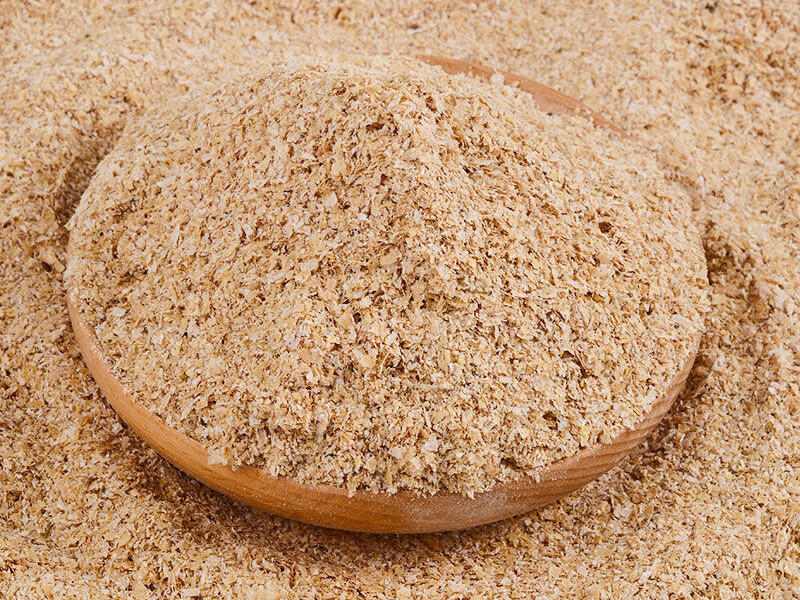
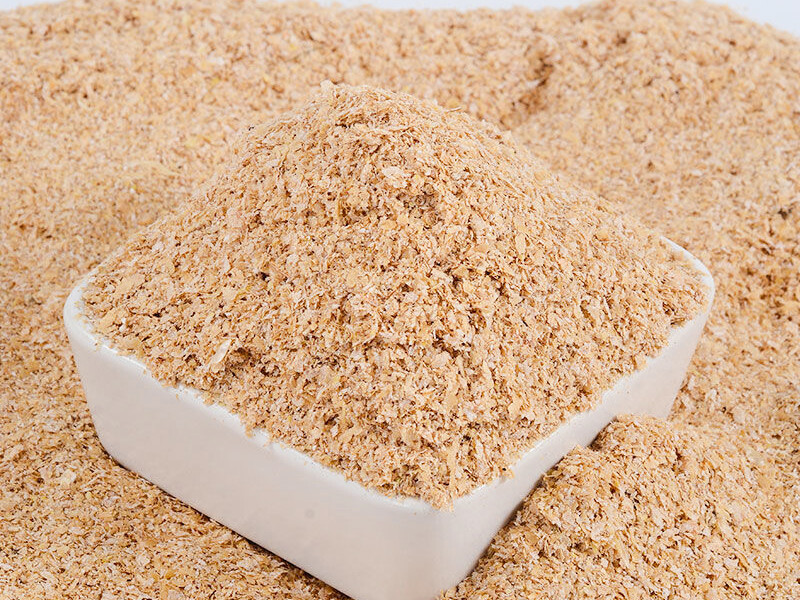
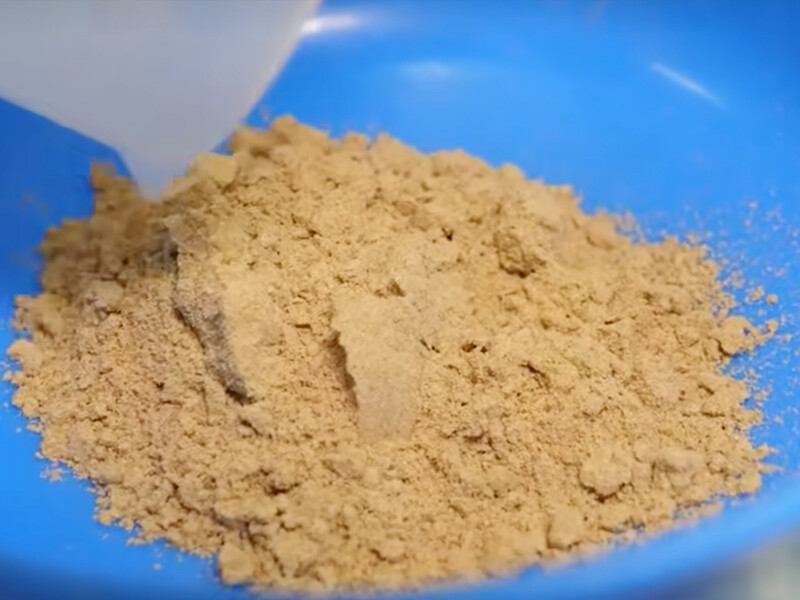
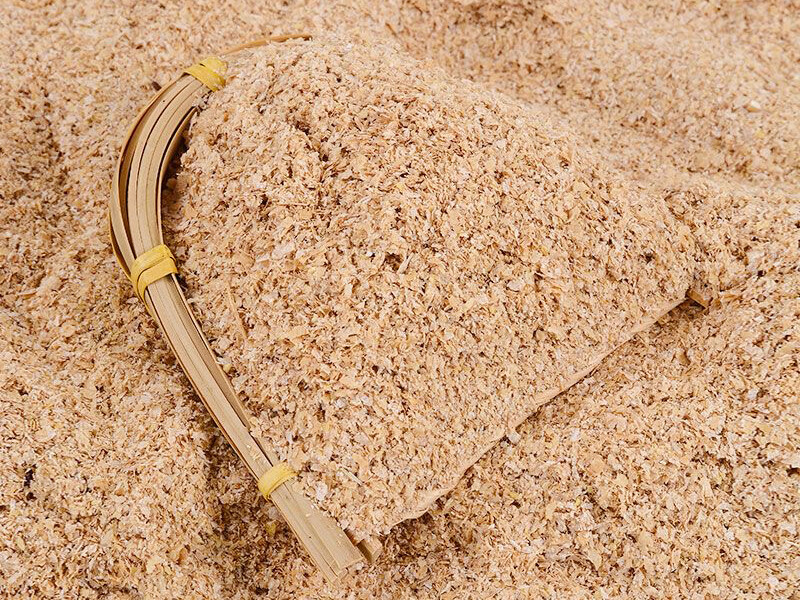
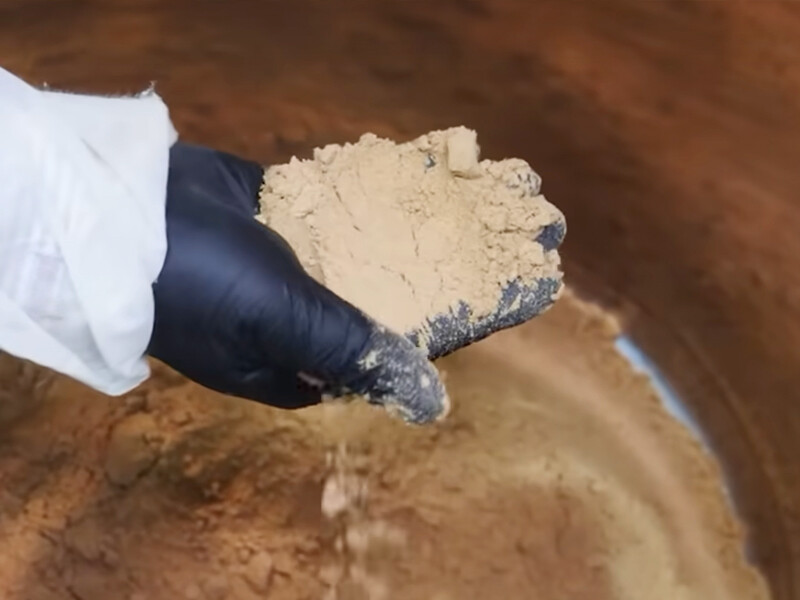
Grinding & Sizing: The toasted cake is ground into a fine to medium powder or granulated (common sizes: 3–8mm) to optimize mixing with other feed ingredients and improve palatability.
| Item | Value |
| Name | Organic Soybean Meal |
| Original Material for Feed | Soybean Meal |
| Use | Cattle, Chicken, Horse, Pig |
| Brand/Mark | MEIRENSONG |
| Color | Brown |
| Size | 5mm, 5-6mm |
| Crude Protein/Protein | 44%min, 45%min |
| Fat | 7%max |
| Moisture | 9%max |
| Urease | 0.1%max |
| KOH | 70%min |
| Other Index | 1%max |
| Certification/Certificate | EU, NOP, GMP, GMP+ |
| Package | Tote Bag, In bulk with liner bag |
| Shelf Life | 12months |
Soybean meal’s popularity stems from its exceptional nutrient density, which meets the strict requirements of most farm animals:
- High Protein Content: Crude protein levels range from 40% to 48% (depending on oil extraction efficiency). It is a "complete" protein source, containing essential amino acids (e.g., lysine, methionine, threonine) that animals cannot synthesize on their own—critical for muscle growth, milk production, and egg laying.
- Balanced Energy & Fats: Contains 3–7% crude fat (providing energy) and minimal fiber (3–6%), ensuring high digestibility (over 85% for most monogastric animals like pigs and poultry).
- Minerals & Vitamins: Rich in phosphorus, potassium, and B-vitamins (e.g., riboflavin, niacin), though it is naturally low in calcium (often supplemented with limestone in feed mixes).
- Low Anti-Nutritional Factors: Proper toasting reduces trypsin inhibitors (which block protein digestion) and urease (a marker of under-processing) to safe levels (typically ≤0.1% urease activity, per global feed standards).
Soybean meal is a universal feed ingredient, tailored to the needs of different animal species:
To ensure safety and consistency, soybean meal is graded based on nutrient content and purity, with global certifications:
- Protein-Based Grading:
- High-Protein SBM (46–48% crude protein): From solvent extraction (most common in commercial feed).
- Regular SBM (42–44% crude protein): From mechanical pressing (higher fat, lower protein).
- Key Certifications:
- EU Organic: Complies with European Union standards for organic agriculture (no GMOs, synthetic pesticides).
- NOP (USDA Organic): Meets U.S. National Organic Program requirements, suitable for organic livestock production.
- GMP+: A global feed safety certification ensuring traceability, hygiene, and absence of contaminants (e.g., mycotoxins, heavy metals).
- ISO 9001: Quality management certification for consistent production processes.
Proper storage is critical to preserve soybean meal’s quality and prevent spoilage:
- Moisture Control: Optimal moisture content is ≤12%. If stored in high-humidity environments (≥75% relative humidity), it may absorb moisture, leading to mold growth (e.g., Aspergillus, which produces harmful mycotoxins).
- Packaging Options:
- Tote Bags: Heavy-duty woven bags (50–100kg capacity) for small-batch storage; easy to handle and stack.
- Bulk with Liner Bags: Large bulk containers (1–20-ton capacity) lined with moisture-proof plastic, ideal for industrial-scale feed mills.
- Shelf Life: Typically 12 months when stored in a cool (15–25°C), dry, and well-ventilated area. Extended storage (over 12 months) may reduce protein digestibility and palatability.
As a major agricultural commodity, soybean meal’s production is linked to both opportunities and challenges in sustainability:
- Sustainable Sourcing: Demand for "deforestation-free" SBM is growing, driven by certifications like the Roundtable on Responsible Soy (RTRS)—which ensures soybeans are grown without clearing tropical forests (e.g., in the Amazon Basin).
- Circular Economy: As a by-product of soybean oil production, SBM reduces waste by repurposing a resource that would otherwise be discarded, aligning with circular agriculture goals.
- Carbon Footprint: Compared to animal-based protein sources (e.g., fishmeal, meat and bone meal), SBM has a lower carbon footprint (≈2.5kg CO₂ eq per kg of protein), making it a more climate-friendly option for feed.