

Application purpose
Life Cycle
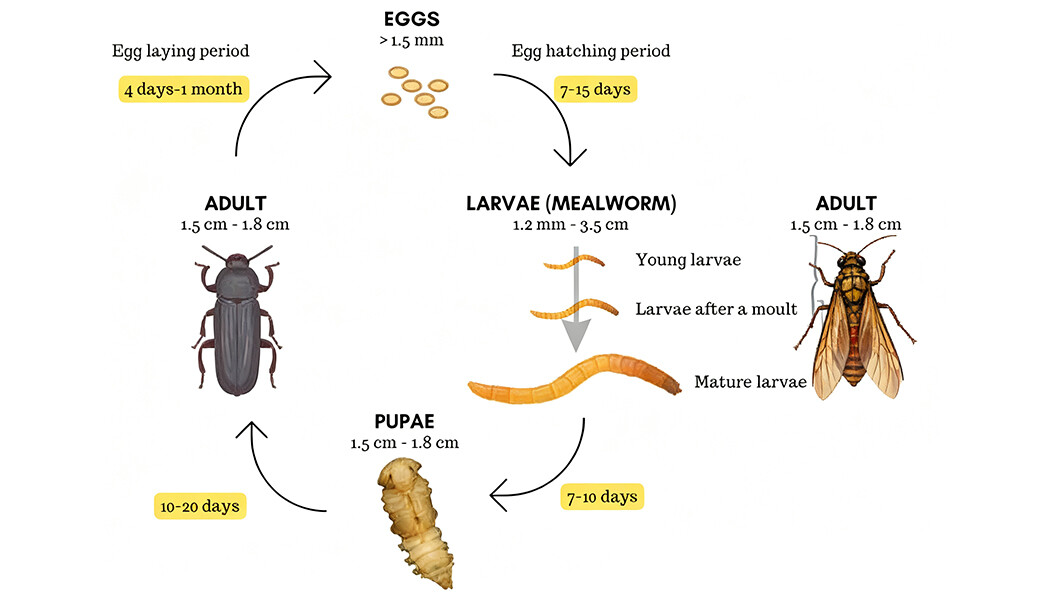
The growth cycle of Tenebrio molitor
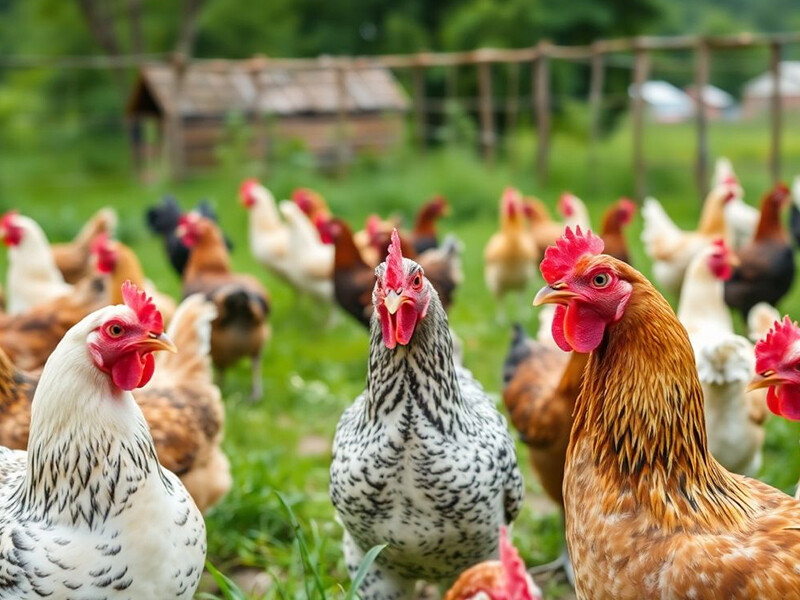
Due to its ease of farming and high nutritional value, mealworms are a high-quality alternative to traditional fishmeal, increasing poultry egg production and broiler weight gain while reducing feed costs. Specific application results are as follows:
1. Broiler farming: Replacing a portion of domestic fishmeal with 3% to 6% fresh mealworms significantly increased broiler weight gain by 13% and boosted feed conversion rate by 23%.
2. Layer farming: Replacing imported fishmeal with 5% mealworm larvae meal during peak egg production increased egg production from 92.33% to 93.42% (an increase of 1.09 percentage points) after 23 days, and egg weight increased by 0.37 grams.
3. Other scenarios: Replacing trace elements in layer feed with 1% mealworm meal increased egg production by 7% to 12% after 43 days. If 1% mealworms were used to replace an equivalent amount of high-efficiency concentrate feed in layer chickens during the same production cycle, egg production increased by 2.38%.
Feeding technology
Mealworm breeding requires good equipment, environment and feed management, and daily attention to observation and pest control
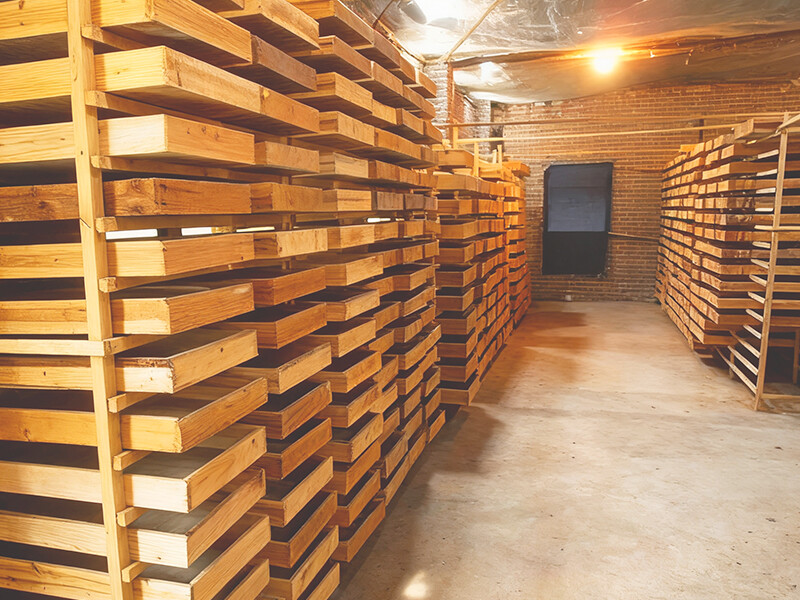
Premises
The breeding place needs light and ventilation, and is equipped with winter insulation facilities.
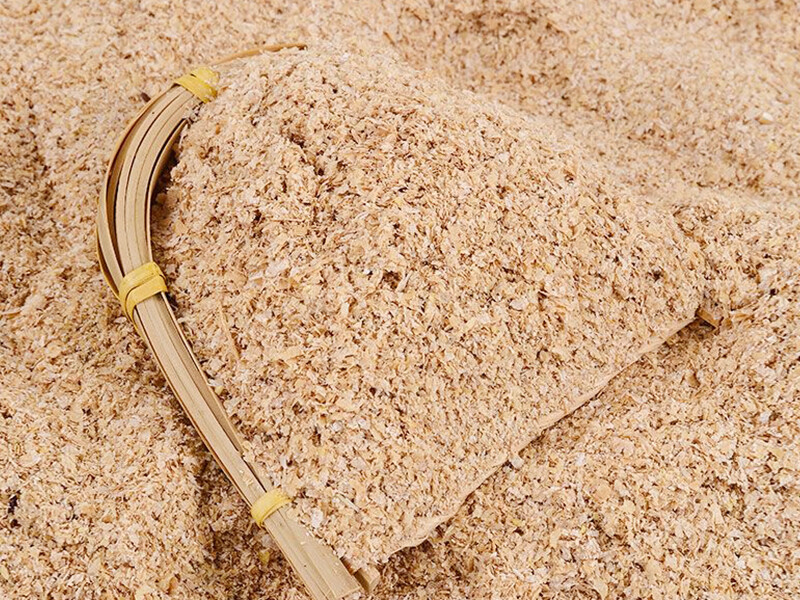
feed
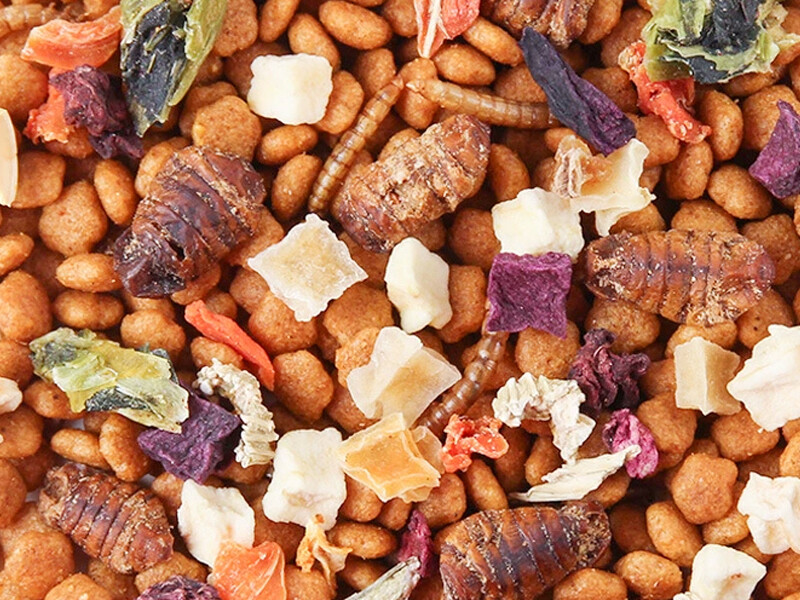
Mainly eat wheat bran and rice bran, supplemented with vegetable leaves to provide water
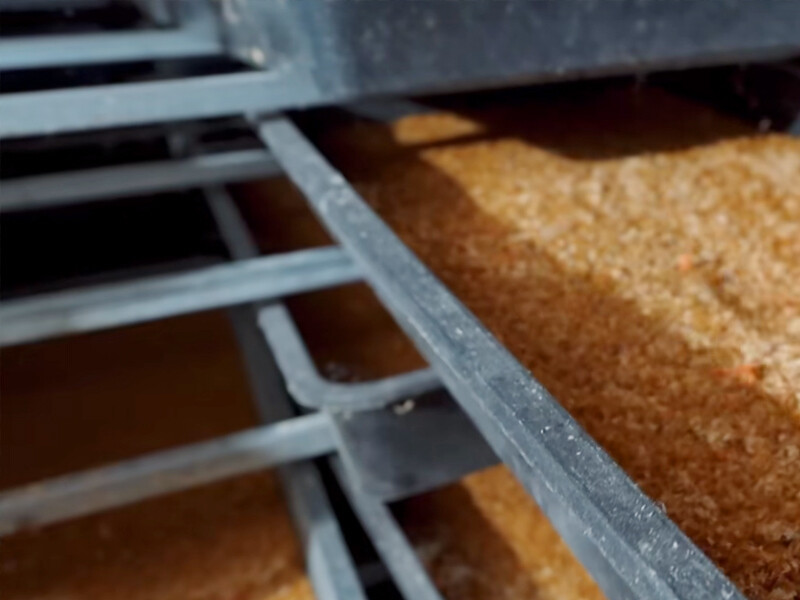
Tray Rack
Customized according to the number of trays and the number of trays.
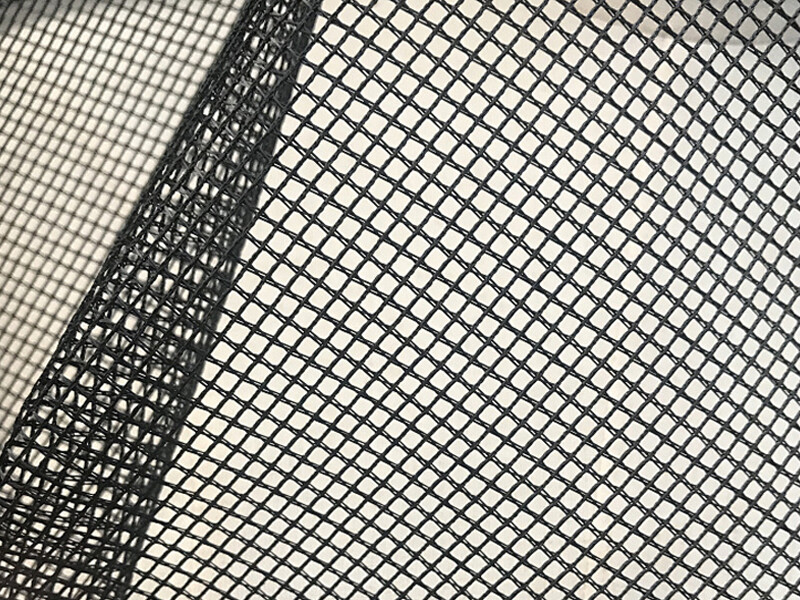
Screening Mesh
12-mesh for eggs, 30-mesh for feces, and 60-mesh for 1st-2nd instar larvae.
Environment
Maintain a constant temperature between 15 and 25°C and humidity between 60% and 70%.
Questions and Answers
Q1. Can I go on holiday while breeding mealworms?
If you know you will not be able to feed your mealworms for several days – that’s Ok! Mealworms can live for several weeks without feeding. If you cannot get someone else to feed them, we recommend placing them into your fridge. They will hibernate. However, please be aware that eggs/pupae are less likely to survive an extended stay in your fridge.
Q2. Can mealworms feel pain?
For humans, pain is our body’s response to a stimulus. In contrast, insects have a simple nervous system and a very different biological make up to mammals, and do not perceive pain like we do.
Q3. Why is temperature and humidity important?
Temperature and humidity impacts growth rate. So, if it’s too cold it can take a long time for you to produce enough insects. If it gets too humid mould might start to form, which can kill your mealworm. High humidity can cause dust mites which naturally lie dormant in oats.
Ideal Temperture: 20-28°c (68-80 fahrenheit)
Ideal Humdity: 50-70%
Q4. Can you use these pods for superworms?
Mealworms are a popular food for many pet reptiles and birds. Many species of reptiles, such as lizards, turtles, and snakes, enjoy eating mealworms as a protein-rich treat. Some species of birds, such as chickens, ducks, and finches, also enjoy eating mealworms. In addition, many other types of pets, such as hedgehogs, sugar gliders, and rodents, may also enjoy eating mealworms as a supplement to their diet.
Q5. Can you produce according to the sample?
Our pods are designed around the life cycle of the mealworm. Superworms have a slightly different life cycle from mealworms, superworms need to be isolated from other superworms to turn into a pupa. They also cannot have access to food or water. Our pods do not isolate the insects so you can not use them to breed superworms effectively. However, if you have a tackle box or pill bottles you can put them in there until they pupate and then return them to the trays to store.
Thank you very much for writing to us. Please leave your message and contact information, we will reply to you within 24 hours.