
Get Quote
Soybean Meal vs. Mealworm: The Future of Sustainable Animal Feed
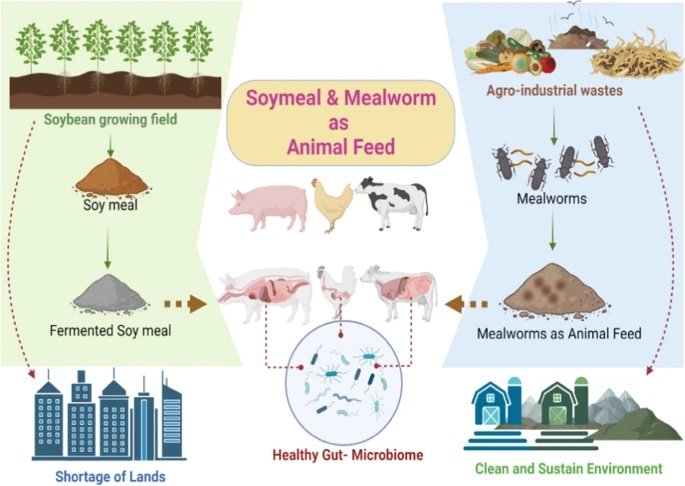
Against the backdrop of surging global demand for livestock farming, traditional soybean meal feed is facing multiple challenges, such as land shortage and supply chain volatility. As a new sustainable protein source, mealworms can realize circular production by converting agro-industrial waste. It not only optimizes the gut health of livestock and improves breeding efficiency but also alleviates soybean dependence and reduces environmental pressure, providing an innovative solution that balances environmental protection and benefits for the global feed industry.
Soybean meal has long been the gold standard for livestock feed, prized for its high protein content that supports healthy growth in pigs, chickens, and cattle. However, its production is a resource-intensive process:
- Land Pressure: Large-scale soybean cultivation drives deforestation, particularly in critical ecosystems like the Amazon, and exacerbates global land shortages as urbanization and population growth shrink available agricultural space.
- Supply Chain Vulnerability: Soybean prices are volatile, subject to climate shocks, trade tariffs, and geopolitical tensions, creating uncertainty for farmers and feed producers worldwide.
- Processing Limitations: While fermented soybean meal improves digestibility, it still requires extensive processing, energy input, and transportation, increasing its carbon footprint.
For the livestock industry, relying solely on soybean meal is no longer a sustainable long-term strategy.
Mealworm: A Circular, Eco-Friendly Feed Revolution
Mealworm offers a transformative alternative that aligns with global sustainability goals. Unlike soybean, mealworm production leverages agro-industrial waste—including food scraps, crop residues, and organic byproducts—as a nutrient-rich feed source for the insects. This closed-loop system delivers unparalleled environmental benefits:
- Zero Land Competition: Mealworm farming requires minimal land, water, and energy, eliminating the need for large-scale agricultural expansion and reducing pressure on natural ecosystems.
- Waste Upcycling: By converting organic waste into high-quality protein, mealworm production diverts tons of food waste from landfills, cutting methane emissions and creating a circular economy for agriculture.
- High Nutritional Value: Mealworm is a complete protein source, rich in essential amino acids, fats, vitamins, and minerals that support healthy gut microbiomes in livestock, boosting growth rates, feed efficiency, and animal health.
- Sustainable Production: Mealworm farms operate with a fraction of the carbon footprint of soybean cultivation, making them a net-positive solution for climate-friendly agriculture.
The Synergy: Soybean Meal and Mealworm in Modern Feed Systems
The future of animal feed is not about replacing soybean meal entirely, but about creating a balanced, sustainable system that combines the strengths of both sources:
- Soybean Meal: A reliable, familiar protein source for traditional feed formulations, ideal for large-scale operations with established supply chains.
- Mealworm: A sustainable, circular alternative that reduces reliance on soy, lowers environmental impact, and improves animal gut health and performance.
By integrating mealworm into feed rations, farmers can:✅ Reduce soybean consumption and mitigate land use change✅ Lower feed costs and supply chain risks✅ Improve livestock health, growth, and product quality✅ Achieve ESG (Environmental, Social, Governance) targets and meet consumer demand for sustainable food
Why Mealworm Is the Future of Sustainable Animal Feed
As the world grapples with climate change, food security, and resource scarcity, mealworm represents a critical innovation in sustainable agriculture. It transforms waste into wealth, turns environmental challenges into opportunities, and creates a food system that works for people, animals, and the planet.
For feed producers, farmers, and agribusinesses, investing in mealworm-based feed is not just an environmental choice—it’s a strategic business decision that drives long-term profitability, resilience, and sustainability.
Related Posts
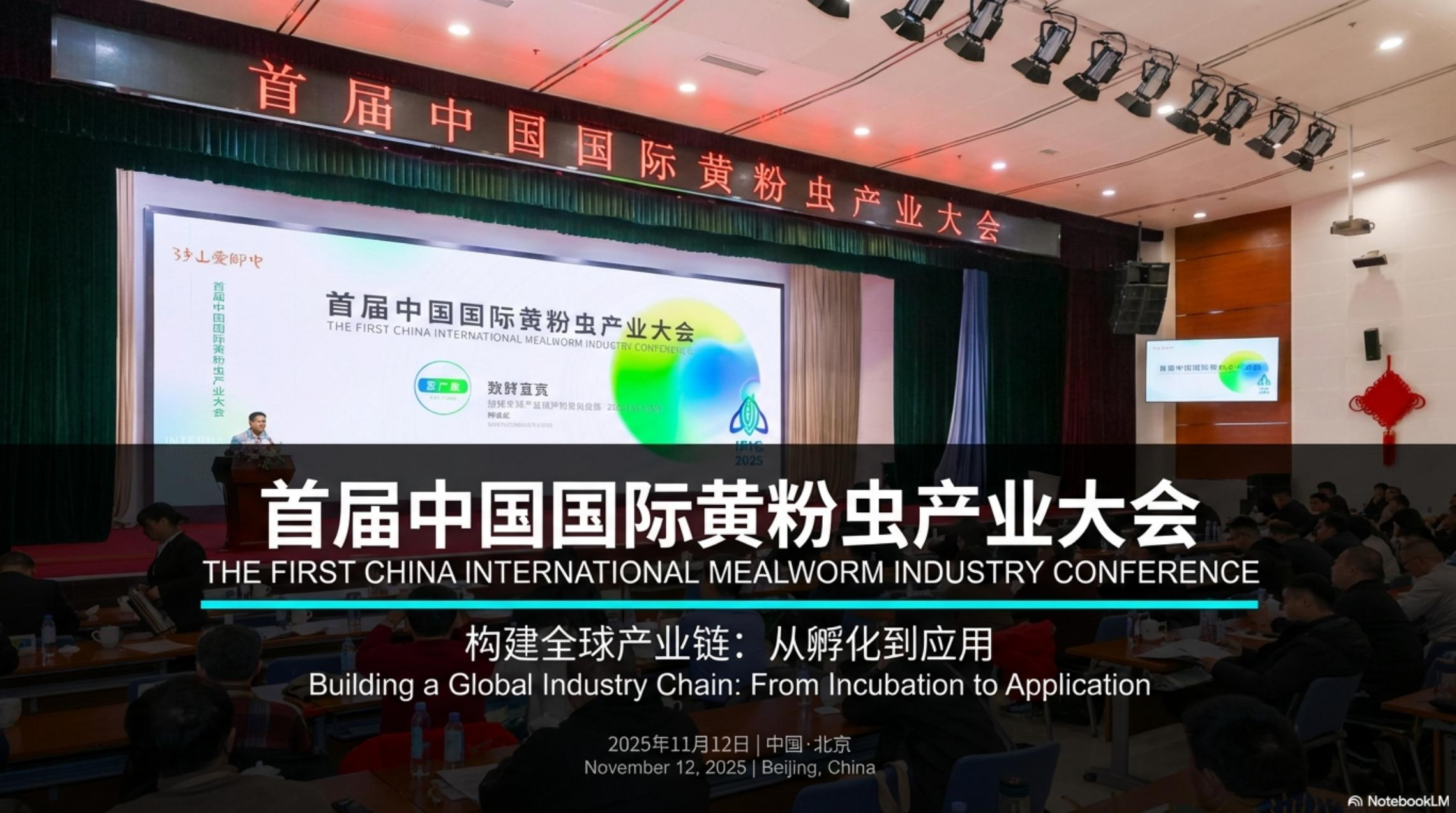
 The First China International Mealworm Industry Conference: Building a Global Mealworm Supply Chain for Sustainable ProteinOn November 12, 2025, the First China International Mealworm Industry Conference was successfully held in Beijing, marking a significant milestone for the global mealworm and insect protein industry.
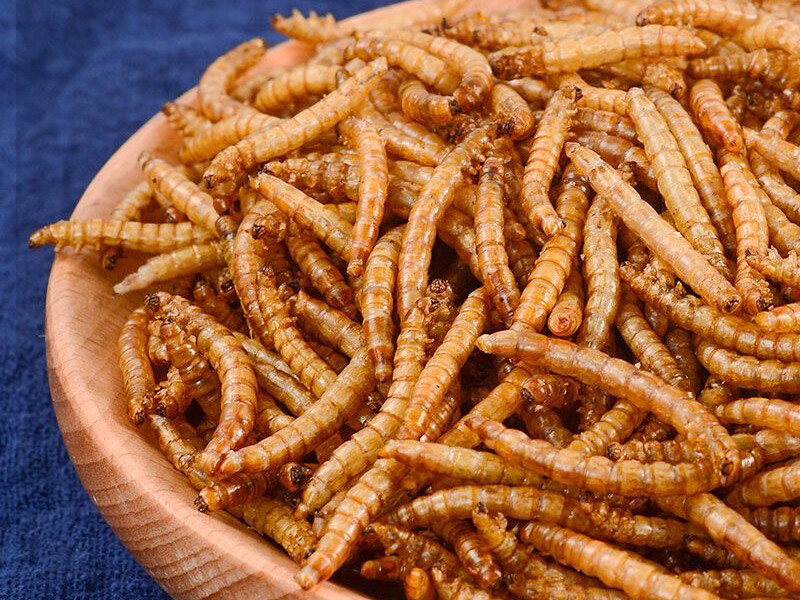
 Mealworms: The Ultimate Sustainable Protein Source for Global Feed & Pet IndustriesMealworms (Tenebrio molitor), commonly known as breadworms, are one of the most widely used industrial insects worldwide. Recognized as a high-protein insect with exceptional nutritional value and eco-friendly production, mealworms have become a leading alternative to fishmeal and soybean meal. Available as Dried Mealworm, Mealworm Powder, and Defatted Mealworm Protein Powder, they deliver exceptional performance in livestock, aquaculture, pets, reptiles, and aquariums, making them a cornerstone of modern Sustainable Protein solutions.
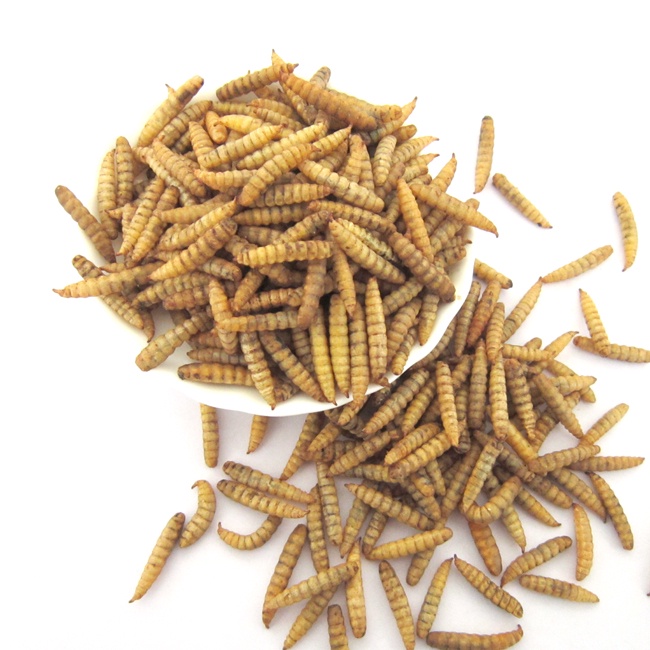
 Black Soldier Fly Larvae: The Ultimate Sustainable Protein Source for Feed & Pet FoodBlack soldier fly larvae have emerged as one of the most innovative and eco-friendly protein sources in the global feed industry. As demand for sustainable nutrition continues to rise, dried black soldier fly larvae have become a preferred choice for farmers, breeders, and pet owners alike. In this article, we explore the value, applications, and advantages of microwave dried black soldier fly larvae and why they are reshaping the future of animal feed.
 Freeze-Dried Mealworms: The Ultimate High-Protein Superfood for Pets, Poultry & Outdoor EnthusiastsDiscover freeze-dried mealworms for pets, poultry and wild birds. High in protein, easy to store and ideal for sustainable feeding.
Related Products
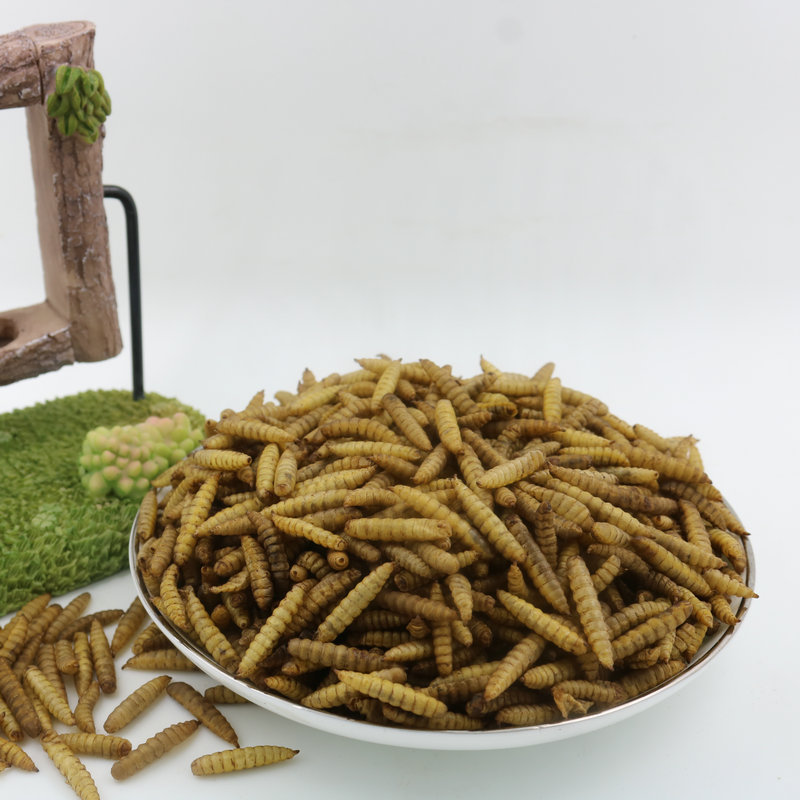
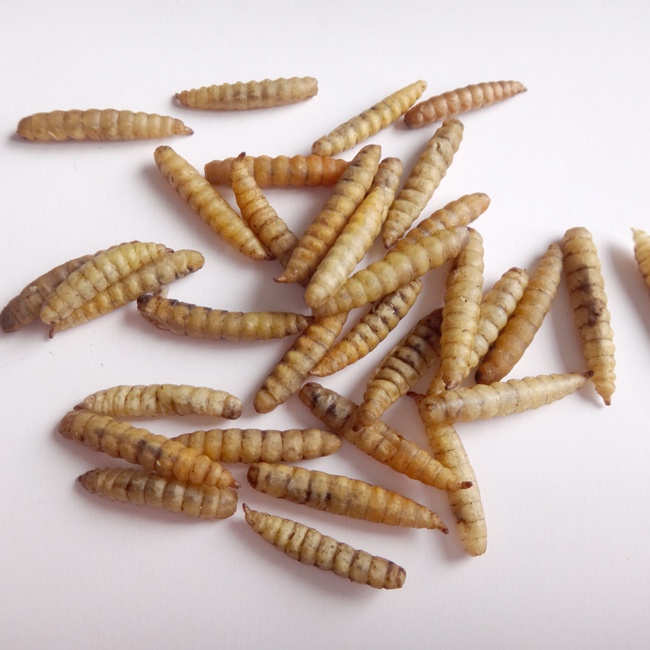
 Dried Black Soldier Fly LarvaeDried black soldier fly larvae are a sustainable, high-protein insect feed ingredient widely used in aquaculture, poultry farming, and pet food. Rich in protein, calcium, and lauric acid, they support healthy growth, improve immunity, and serve as an ideal alternative to fish meal and soybean meal.
 High Protein Black Soldier Fly LarvaeDried black soldier fly larvae are a sustainable, high-protein insect feed ingredient widely used in aquaculture, poultry farming, and pet food. Rich in protein, calcium, and lauric acid, they support healthy growth, improve immunity, and serve as an ideal alternative to fish meal and soybean meal.
 Microwave Dried Black Soldier Fly LarvaeDried black soldier fly larvae are a sustainable, high-protein insect feed ingredient widely used in aquaculture, poultry farming, and pet food. Rich in protein, calcium, and lauric acid, they support healthy growth, improve immunity, and serve as an ideal alternative to fish meal and soybean meal.
 Dried Yellow MealwormHigh-quality dried mealworms rich in protein (57%) and fat (25.5%), containing chitin, antimicrobial peptides, defensins, 17 amino acids, and essential trace elements like phosphorus, iron, potassium, sodium, and calcium. Ideal for pets, fish, birds, and other animals as a high-protein feed additive, promoting growth and enhancing disease resistance.
Sinomealworm
Thank you very much for writing to us. Please leave your message and contact information, we will reply to you within 24 hours.